FCC blocks first two devices under new chip rule, citing a Huawei subsidiary's vision processor
The move hits rebranded gadgets that carry a banned maker's parts inside another company's product, and critics question how much it improves safety.
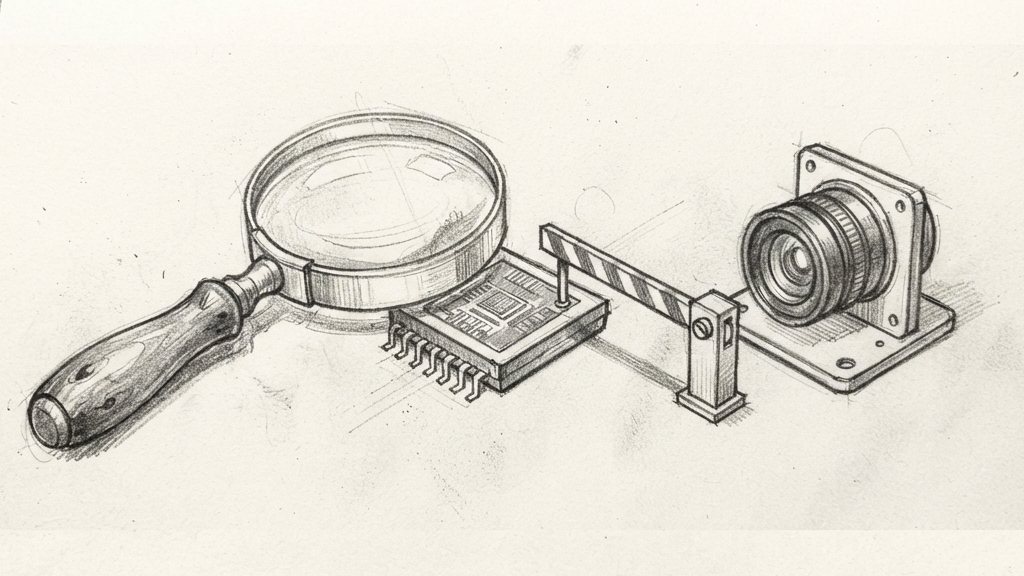
On October 13th the FCC granted itself authority to block any device containing a chip from a company on its national-security list, and it has now used that power for the first time against two gadgets. The agency did not name the products, but it identified their component as a HiVision Hi3516CV610 smart-vision system-on-chip sold for home security cameras and dashcams. The FCC argues the chip is a foreign surveillance risk because it advertises built-in face detection and because HiVision is a Huawei subsidiary on the agency's Covered List. The move targets rebranded devices that carry banned companies' parts inside another vendor's product, and critics question whether it meaningfully improves safety or mainly serves as enforcement theatre.
Why it matters
The first use of the power shows the rule is aimed at devices where the banned company's name is absent from the packaging but its chip is inside. Buyers of home security cameras and dashcams are the people most affected, since a product can be blocked because of a component they cannot see. Whether this changes the risk they face or mainly signals enforcement is the open question the agency's critics are raising.
Matters or hype?
Does this story matter, or is it hype? Vote before you see what everyone else said.