Vulcan rocket failure destroys 40 Amazon Leo satellites and stalls service plans
With 392 satellites in orbit against a need of at least 500, Amazon's late-2026 move to full service now looks uncertain.
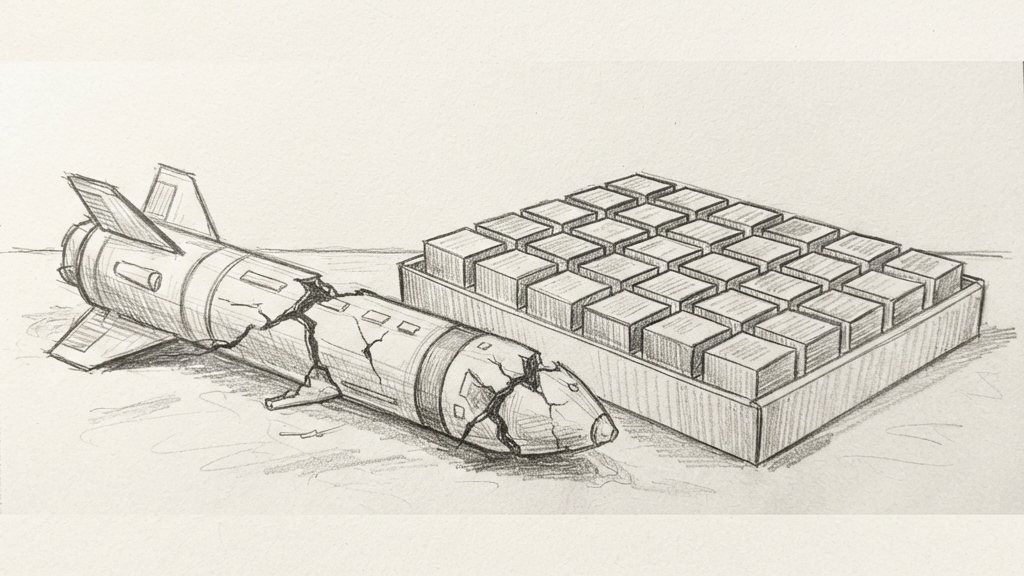
A United Launch Alliance Vulcan rocket carrying 40 Amazon Leo broadband satellites suffered an anomaly about ten minutes after liftoff from Cape Canaveral and failed to reach orbit, marking the company's first total mission failure in roughly two decades of operation. The cause remains unclear, though early telemetry points to possible problems with the first-stage BE-4 engines burning longer than planned or altitude issues near staging. Amazon has now put 392 satellites in orbit against a stated need of at least 500 for basic global coverage, so the transition from commercial beta to full service planned for late 2026 looks uncertain. Vulcan is expected to stay grounded for an indefinite period, which also affects its role in launching many US military national security missions. Amazon's next launch, 36 satellites on a European Ariane 64 rocket, is still scheduled for about a week later.
Why it matters
The loss leaves Amazon's Leo constellation well short of the satellite count it says basic global coverage requires, which puts its planned shift from commercial beta to full service in doubt. Amazon had booked 38 Vulcan launches, so the grounding of that rocket for an indefinite period removes a major route to deploying the rest of the network. The failure also weakens Vulcan's standing as a launcher for US military national security missions, a role the rocket was expected to play.
Matters or hype?
Does this story matter, or is it hype? Vote before you see what everyone else said.